The Essential Handbook to Managing Injury Cases With a Injury Lawyer
Navigating accident lawsuits introduces numerous difficulties that can overwhelm individuals looking for justice. An skilled personal injury lawyer plays an essential role in simplifying this complicated process. From delivering immediate counsel after an accident to managing intricate legal details, their expertise is priceless. Recognizing the phases involved and the value of proper evidence collection can greatly affect a case. What are the important measures one should take immediately following an accident? The answer lies ahead.
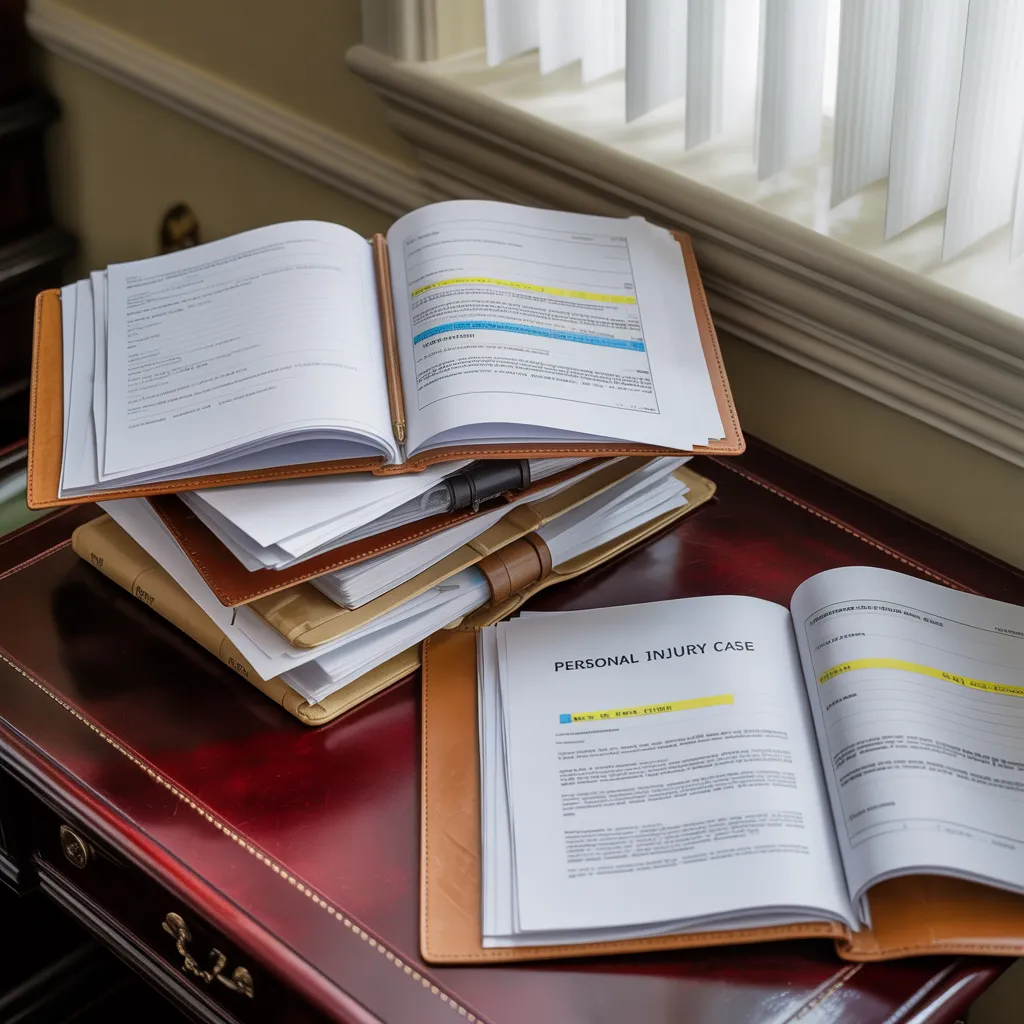
Swift Measures to Begin After an Collision
In the wake of an accident, people must respond quickly to preserve their rights and safety. The initial action requires ensuring security; victims should evaluate injuries and, if possible, move toward a secure place. Contacting emergency services is vital, as healthcare assistance may be required for damage that are not instantly visible.
Next, people should notify the police to record the incident officially. This documentation can be instrumental in following legal proceedings. It is also important to exchange contact and insurance information with all parties involved.
While waiting for authorities, gathering initial impressions and accounts from witnesses can be beneficial. Photographing the accident site, car damage, and any apparent injuries may assist with future claims. Finally, individuals should think about speaking to a personal injury lawyer to explore potential legal actions, guaranteeing their interests are protected from the beginning.
How to Gather Proof for Your Matter
Gathering evidence is important for establishing a robust case following an accident. At first, parties should record the scene by obtaining photographs of any damage, road conditions, and applicable traffic signs. This photographic record can deliver perspective and reinforce claims. Furthermore, obtaining witness accounts can be invaluable; contact details and names should be logged for later follow-up.
Medical records are essential, as they show the extent of injuries and associate them with the accident. Maintaining all documentation, including police reports and correspondence with insurance companies, is necessary for substantiating claims.
Furthermore, preserving any physical evidence, such as damaged personal property or clothing, can also strengthen a case. Finally, maintaining a detailed journal of occurrences and encounters post-accident can offer insight into the impact on daily life. By methodically gathering this data, individuals can create a thorough foundation for their case.
How a Injury Lawyer Serves Clients
In what manner can a personal injury lawyer substantially change the outcome of an injury litigation? Their competence remains essential in working through the complications of the court system. A personal injury lawyer imparts essential instruction on the legal rights and options open to the plaintiff. They conduct extensive fact-finding to secure evidence, establish liable parties, and evaluate the full measure of harm, confirming no key points are disregarded.
Additionally, these lawyers possess bargaining abilities essential to working with insurance companies and opposing counsel. They comprehend the tactics often used to minimize settlements and can help clients oppose these strategies effectively. By advocating for the client in court, if necessary, they advocate for fair compensation, utilizing their knowledge of relevant laws and precedents. Overall, a personal injury lawyer serves as a crucial ally, providing both legal expertise and emotional support, ultimately aiming for the best possible outcome for their client's case.
How to Manage Insurance Negotiations With Assurance
Navigating insurance talks can be a challenging process for many individuals following an accident. Being confident matters, and planning plays an crucial part in achieving it. First, understanding the extent of damages, including medical expenses, lost wages, and emotional distress, is vital. Collecting comprehensive records can support your claims and provide leverage during discussions.
Next, individuals should review their policy terms and understand the coverage limits and exclusions. This knowledge equips them to counter lowball offers effectively. Engaging a personal injury lawyer can also strengthen confidence; their expertise helps decode complex legal jargon and tactics employed by insurance adjusters.
Also, staying calm and staying collected during talks fosters a professional atmosphere. Honing negotiation techniques and predicting objections can additionally strengthen one's position. By adopting a calculated method and leveraging strong data, individuals can tackle insurance negotiations with greater confidence and effectiveness.
Important Court Documents for Your Case
After handling insurance negotiations, parties may find themselves ready to pursue a lawsuit if sufficient funds is not achieved. To initiate this process, multiple important legal papers are essential. The petition acts as the basis, outlining the plaintiff's allegations against the defendant and the damages requested. The summons, provided with the petition, notifies the respondent of the legal action and provides instructions for their response.
Furthermore, the plaintiff may need to submit a case information statement, which outlines the case, and any pertinent documentation, such as medical records or accident reports, should be meticulously gathered. Interrogatories and requests for admissions may also be utilized to obtain information from the opposing party. Collectively, these documents establish the framework for the lawsuit and enable the advancement of the case through the legal system, guaranteeing that all parties have knowledge and that the claims are clearly articulated.
Getting Ready for What Occurs During a Courtroom Appearance?
What can people anticipate when entering the court for a trial? The environment is often strained, with a judge overseeing court proceedings and a panel of jurors on hand to assess the facts presented. Individuals will witness initial arguments from each party, detailing their positions and key points. Following this, witnesses may be summoned to provide testimony, and both sides will have the opportunity to cross-examine them.
Evidence, including documents and expert opinions, is presented to support each party’s argument. The trial process typically culminates in closing arguments, where attorneys summarize their positions and prompt the jury to reach a favorable verdict. After deliberation, the jury will render a decision, which can greatly impact the lives of those involved. Throughout the trial, individuals can expect a structured environment where protocol and legal standards manage the proceedings. Understanding this framework can help alleviate some anxiety associated with the trial experience.
Standard Mistakes in Individual Harm Court Cases to Prevent
In bodily harm lawsuits, certain missteps can greatly obstruct a case's success. Failing to keep detailed medical records and postponing filing a lawsuit are two frequent mistakes that parties often experience. Recognizing and avoiding these mistakes is vital for a successful result.
Neglecting Medical Documentation
Ignoring health records can severely weaken a personal injury lawsuit. Accurate and complete medical records serve as crucial evidence, substantiating the extent of injuries and the necessity for treatment. When claimants neglect to obtain or present these documents, they risk weakening their case considerably. Insufficient medical documentation may lead to disputes over the seriousness of injuries, making it difficult to establish liability or justify compensation claims. Moreover, insurance companies often rely on medical records to assess the validity of a claim. Failing to provide this critical information can lead to delays or denials. As a result, maintaining detailed medical documentation throughout the treatment process is essential for the success of a personal injury claim.
Deferring Legal Measures
Delaying legal action can greatly affect the result of a personal injury lawsuit. When individuals postpone filing their claims, they risk losing crucial evidence, such as witness testimonies and physical documentation, which can undermine their case. In addition, statutes of limitations impose rigid deadlines for filing lawsuits; missing these deadlines can result in the loss of the right to seek compensation completely. Delays may also impair the ability to obtain essential medical treatment, leading to complications in proving the extent of injuries. Moreover, insurance companies may use the delay to undermine the claimant's credibility, suggesting that the injuries were not serious. Consequently, timely action is essential for maximizing the chances of a successful resolution what to do after a personal injury in personal injury cases.
Regularly Asked Questions
How much time Do I Have to submit a Personal Injury claim?
A personal injury claim must generally be submitted within 1-3 years, depending on jurisdiction. Speaking with a lawyer promptly is crucial for people to ensure they satisfy all necessary deadlines.
What Types of Remuneration Am I Able to Receive for My Wounds?
Individuals may get multiple compensations for damages, consisting of medical expenses, wage loss, pain and suffering, emotional distress, and punitive damages. The particular amount and categories are based on the circumstances surrounding each case and applicable laws.
Can I Able to File a Lawsuit if I Shared Some Responsibility?
Yes, an individual can still sue even if somewhat at fault. Many jurisdictions allow lawsuits to proceed, recalibrating monetary awards based on the degree of responsibility, ensuring justice in the legal resolution despite shared responsibility.
How Are Personal Injury Settlements Generally Organized?
Personal injury settlements are typically structured to include reimbursement for medical costs, wage loss, suffering and pain, and at times punitive damages. Payments can be made as a single lump sum or through structured installments over time.
What Occurs if the Defendant Is Unable to Settle the Settlement?
When the defendant is unable to pay the settlement, the plaintiff may seek alternative options, such as wage garnishment or seizing assets. In some cases, the plaintiff might be required to obtain compensation through insurance coverage or government programs.